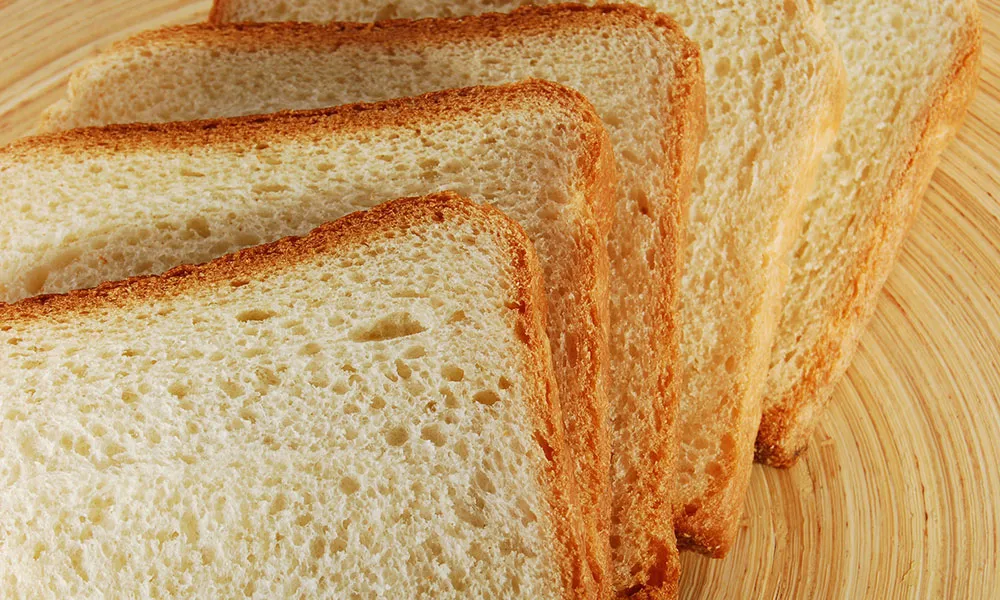
In Michael Pollan’s exploratory work “In Defense of Food” one of his major tenets is to “Don’t eat anything your great-great-grandmother wouldn’t recognize as food.”
In Michael Pollan’s exploratory work “In Defense of Food” one of his major tenets is to “Don’t eat anything your great-great-grandmother wouldn’t recognize as food.”
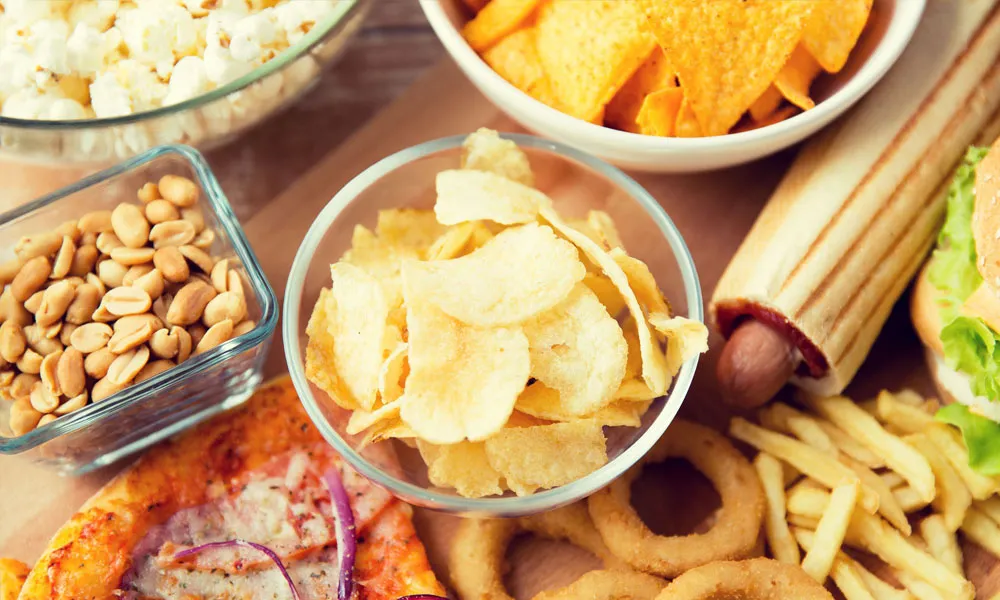
Dr. Harvey Washington Wiley: Father of the FDA
I think we Americans, for the most part take a lot for granted in our everyday lives. When I wake up, I assume the hot water will come out the shower head, the car will start and aside from the usual traffic, I will arrive at my office where the lights will come on at a flip of the switch, my inbox will be full and my Clif Bar will be tasty.
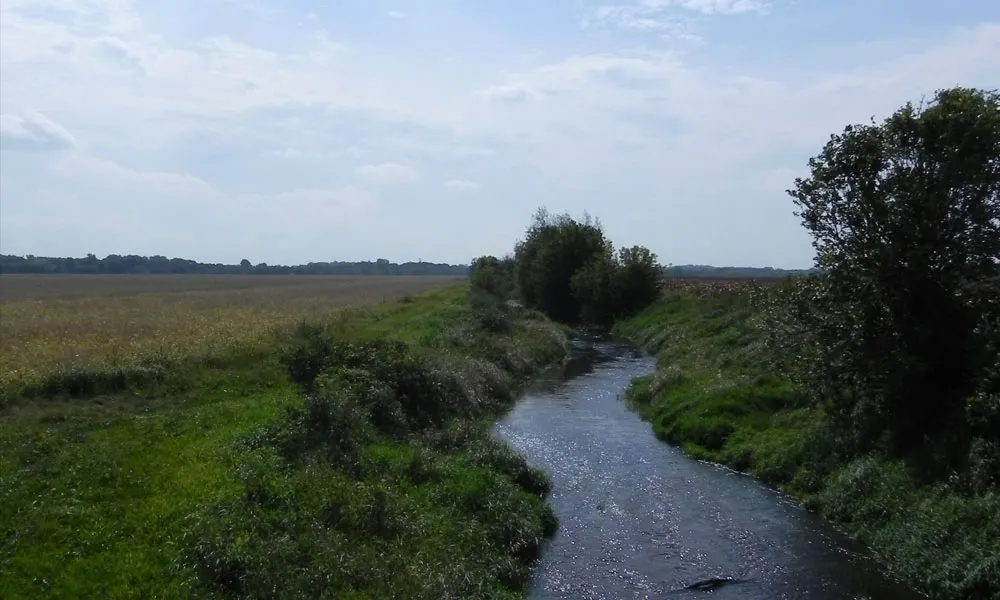
Iowa STRIPS Program Reduces Runoff
Since I mentioned the issue of the massive hypoxia, or “dead zone” in the Gulf of Mexico, I’ve started to dig around into some various solutions to this problem.

Miscanthus Reduces our Nitrogen Leaching
In a previous post, I made reference to the “dead zone” in the Gulf of Mexico where the nutrient runoff from the upper Mississippi river system has introduced millions of tons of leached fertilizers into an area of the gulf roughly the size of Connecticut.
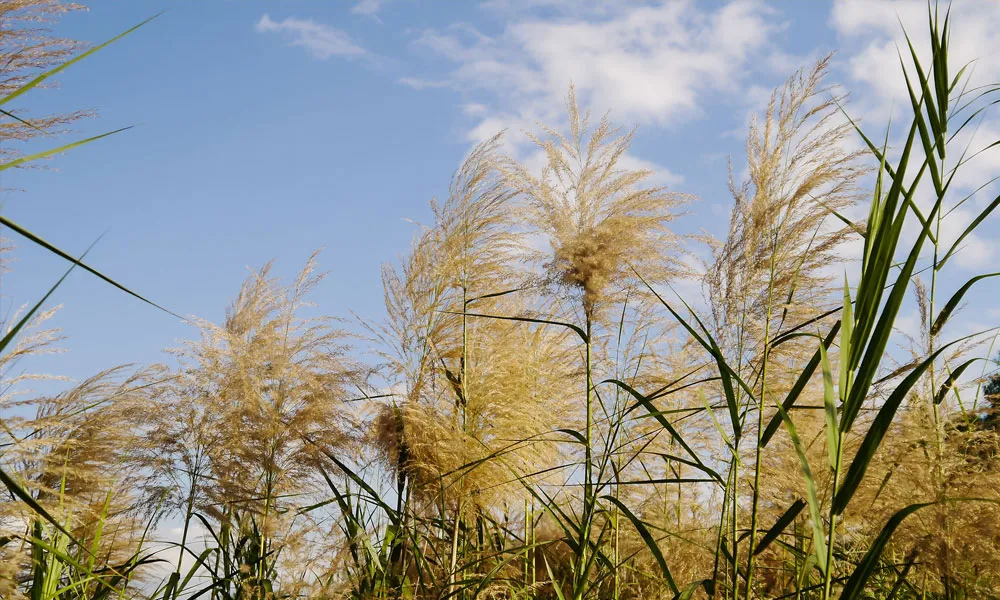
Stover and the Miscanthus Solution Part 2
In a previous post I detailed how intensive corn stover utilization for livestock feed replacement and cellulosic ethanol production causes soil degradation through nutrient removal, erosion, runoff and minimizes the soil’s water holding capacity.
Environmental Effects of Increased Corn Stover Harvesting Part 1
The last decade has seen a major increase in collecting and using corn stover for feedstock and increasingly for bio-fuel production, mostly ethanol. Historically, cattle have been allowed to graze corn stover after a harvest with minimal impact to the nutrient levels.